
Will a new UK Prime Minister change UK student visas? What international students need to know
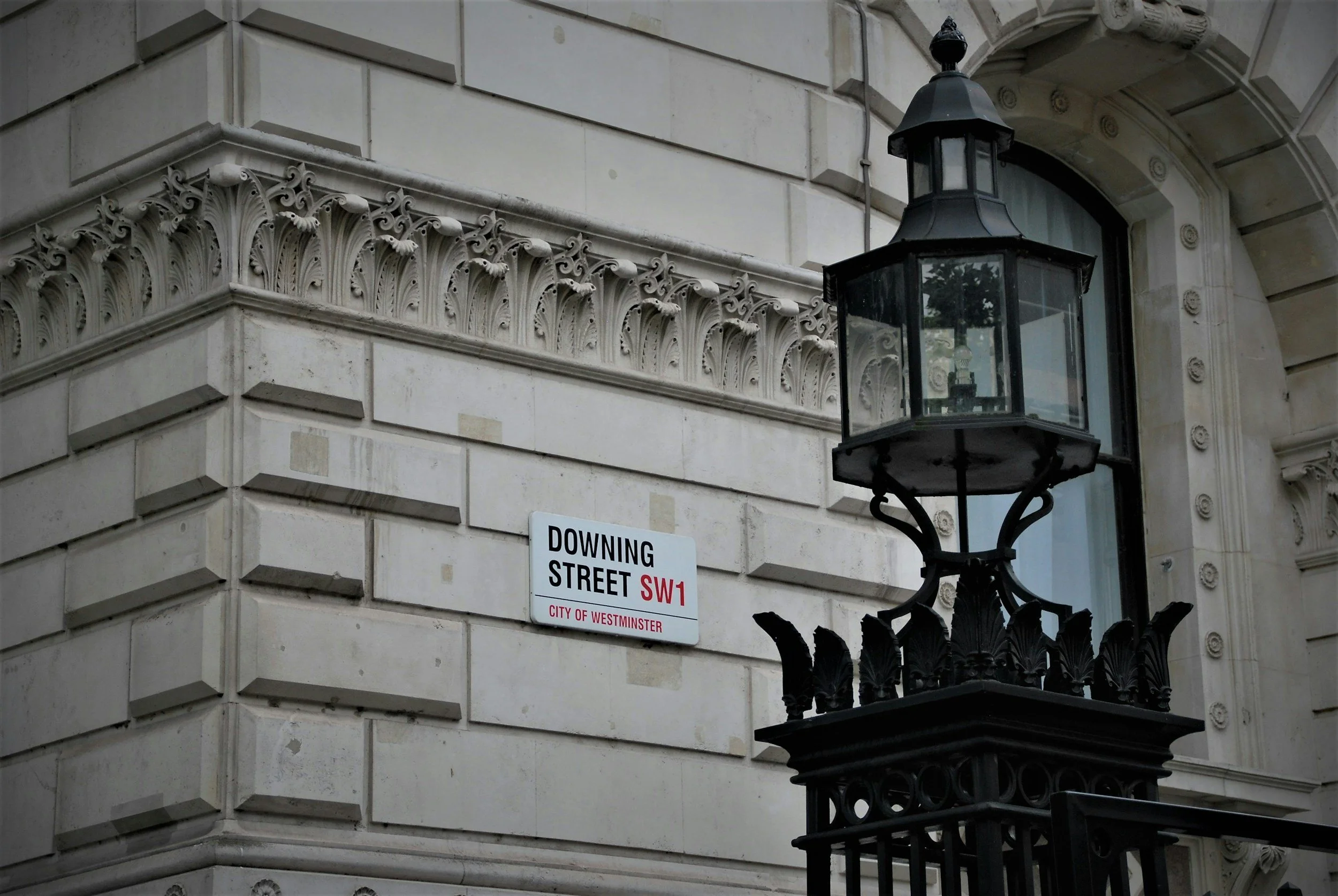
The UK has entered another period of political change following the resignation of Prime Minister Sir Keir Starmer on 22 June 2026. With Andy Burnham currently the only declared contender to lead the Labour Party, many prospective international students are asking an important question:
Will a new Prime Minister change the rules for studying in the UK?
For students planning to begin undergraduate or postgraduate courses in 2026 or 2027, immigration policy is understandably a major concern. Over the past two years the UK Government has introduced significant changes to student visas, dependant visas and the Graduate Route, while universities are also facing tougher compliance requirements under the Student Sponsor system.
The good news is that there is unlikely to be any immediate change for students who already hold an offer or are preparing applications. Immigration policy rarely changes overnight, and any future reforms would normally take months to develop and implement.
Here's what we know, what could change, and what it means for international students considering the UK.
The current position for international students
Although the Prime Minister may be changing, the UK's student immigration system is already operating under some of the strictest compliance requirements introduced in recent years.
Student visas remain available
International students can continue to apply for Student visas to study at licensed UK universities.
Applicants must still meet the usual requirements, including:
an offer from a licensed sponsor
evidence of financial support
English language requirements
payment of the Immigration Health Surcharge
meeting visa application requirements.
The UK remains one of the world's largest destinations for international higher education, welcoming hundreds of thousands of overseas students each year.
The Graduate Route has already changed
One of the biggest recent changes affects the Graduate Route.
Previously, most international graduates could remain in the UK for two years after completing their degree (or three years for PhD graduates).
Under the latest Government reforms, the Graduate Route for most graduates will reduce to 18 months, giving students a shorter period to gain work experience before switching into another immigration category.
While this represents a reduction, the Graduate Route continues to offer valuable opportunities for graduates wishing to gain UK work experience after university.
Universities now face tougher Basic Compliance Assessment (BCA) rules
Perhaps the most significant change has received far less media attention.
Every university sponsoring international students must meet the Home Office's Basic Compliance Assessment (BCA) standards to retain its Student Sponsor licence.
These requirements now place greater responsibility on universities to recruit students who are both academically prepared and likely to complete their studies successfully.
The strengthened requirements include measures relating to:
visa refusal rates
student enrolment rates
course completion rates.
The completion requirement has become particularly significant. Universities are now expected to ensure that around 90% of international students successfully complete their courses, a substantial increase from previous expectations.
These changes are already influencing admissions decisions across the sector. Many universities are investing more heavily in student support, while also becoming more selective during the admissions process to reduce the risk of non-completion.
For international students, this means universities may ask more questions during admissions, place greater emphasis on academic readiness and provide additional support once students arrive.
Why is the Prime Minister changing?
Sir Keir Starmer resigned as Prime Minister on 22 June 2026 after a turbulent period for his Government.
At the time of writing, Andy Burnham, the Mayor of Greater Manchester, is the only declared contender for the Labour leadership and is widely expected to become the UK's next Prime Minister.
If that happens, attention will quickly turn to whether a Burnham Government would take a different approach to higher education, economic growth and immigration.
Who is Andy Burnham?
Andy Burnham is one of Labour's most recognisable political figures.
He previously served in several Cabinet positions before becoming Mayor of Greater Manchester in 2017.
During his time as Mayor, Burnham has become closely associated with regional devolution, investment outside London and a philosophy sometimes described as "Manchesterism".
While much of his national profile has focused on transport, health and regional government, universities have also played a central role in his vision for economic growth.
What is Manchesterism?
Manchester has become one of the UK's strongest examples of how universities can drive economic development.
Rather than viewing universities simply as educational institutions, Greater Manchester has increasingly treated them as partners in creating jobs, attracting investment and developing new industries.
The University of Manchester, Manchester Metropolitan University and the wider higher education sector have helped support growth in areas including:
advanced manufacturing
life sciences
digital technology
artificial intelligence
cyber security
health innovation
business start-ups.
International students are an important part of this model.
Many remain in the city after graduation, contributing skills to local employers, launching businesses or undertaking research that supports economic growth.
Burnham has consistently argued that universities should be recognised as anchor institutions within regional economies, helping cities compete internationally for talent and investment.
That philosophy could prove important if he becomes Prime Minister.
Could Andy Burnham change policy for international students?
Potentially.
However, it is important to distinguish between what could happen and what has actually been announced.
At present, there have been no confirmed proposals to change the Student visa route, Graduate Route or international tuition fee arrangements beyond policies already announced by the current Government.
Based on Burnham's record, there are several areas where future policy could evolve.
Universities may play a bigger role in economic growth
Burnham has consistently argued that universities should contribute directly to regional prosperity.
That could lead to greater collaboration between universities, employers and local government, with more emphasis on graduate employment, innovation and skills development.
International graduates could become more important to regional economies
Greater Manchester has actively promoted international talent as part of its economic strategy.
If similar thinking influenced national policy, greater attention could be given to helping graduates move into skilled employment that supports regional growth.
That would not necessarily mean more relaxed immigration rules, but it could shape future discussions about graduate employment pathways.
Immigration policy is likely to remain carefully managed
Despite Burnham's close relationship with universities, any future Government would still face pressure to manage overall migration levels.
As a result, students should not assume that becoming Prime Minister would automatically lead to easier visa rules or a longer Graduate Route.
Any future reforms would need to balance the economic value of international education with wider immigration objectives.
How quickly could anything change?
One of the biggest misconceptions about UK immigration policy is that a new Prime Minister can immediately rewrite the rules.
In reality, significant changes usually take time.
StageTypical timeframeNew Prime Minister takes officeDaysCabinet appointmentsFirst weekGovernment priorities announcedFirst monthPolicy reviews and consultationsSeveral monthsImmigration Rule changes draftedSeveral monthsParliamentary scrutiny and implementationSix months or longerUniversities update admissions processesFollowing implementation
For students planning to begin university in September 2026, this is reassuring.
Even if a new Government wished to introduce further reforms, it is unlikely that significant changes would affect students already progressing through the admissions cycle.
What should international students do now?
The best advice is simple.
Continue applying.
Continue applying for scholarships.
Continue preparing your visa application.
Continue researching universities that best match your academic ambitions.
Political leadership changes naturally create uncertainty, but UK higher education remains one of the country's most successful export sectors. Universities continue to recruit international students enthusiastically, and the existing visa system remains open to genuine applicants.
Our view
Political headlines can make studying abroad feel uncertain.
However, most major immigration reforms develop gradually over many months rather than overnight.
Whether Andy Burnham ultimately becomes Prime Minister or not, the most important changes affecting international students have already been introduced through tighter Student Sponsor compliance rules and recent Graduate Route reforms.
For prospective students, the priorities remain the same:
choose the right university
apply early
secure funding wherever possible
understand the latest visa requirements
focus on completing your course successfully.
International students continue to make an enormous contribution to UK universities, research, innovation and local economies. While political priorities may evolve, the UK's global reputation for higher education remains one of its greatest strengths.
Frequently asked questions
Will a new Prime Minister change UK student visas immediately?
No. Significant immigration reforms usually require policy development, consultation and updates to the Immigration Rules before taking effect.
Should I delay my university application?
There is currently no reason to delay applying because of the change in political leadership.
Will scholarships be affected?
There have been no announcements suggesting scholarship programmes will change as a result of the Prime Minister's resignation. Universities continue to offer a wide range of scholarships for international students.
Could the Graduate Route change again?
It is possible that future governments could review post-study work rights, but no further changes have been announced beyond the recent reduction to 18 months.
Are UK universities becoming more selective?
Many universities are placing greater emphasis on recruiting students who are likely to enrol, succeed academically and complete their courses, partly because of strengthened Basic Compliance Assessment requirements.

We understand the challenges that international students face when applying to UK universities. Scholarship Scanner provides expert advice on applying to UK universities, and our scholarship blog shares latest updates on UK university funding opportunities. Our website can also help you to start your UK scholarship search and find the best financial support for your studies.